
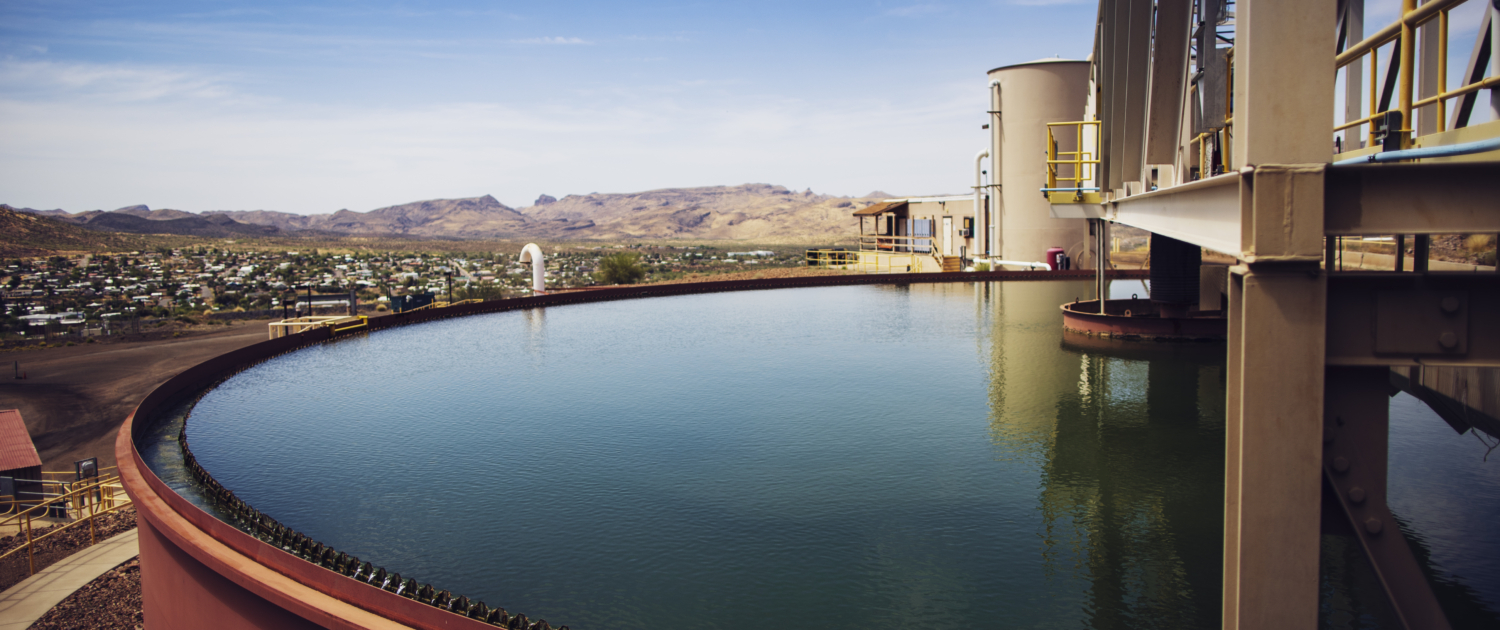
PROTECTING AND CONSERVING WATER
Water is limited in Arizona. We plan for its careful use from the earliest stages of the project. We take water conservation seriously and focus on reducing use, reusing water, and sharing information openly with the community as science and technology evolve.
Water Efficiency
Resolution Copper is designed to be among the most water‑efficient copper mines in Arizona, based on projected gallons of water used per pound of copper produced. At full production, the mine is expected to use less than 5 gallons of water per pound of copper produced. Other Arizona copper mines typically use 10 to 50 gallons per pound. This efficiency comes from an underground mine design, reduced evaporation, and high levels of water recycling across operations.
Water Supply and Sources
We have already secured enough water to support more than half of the mine’s operating life at maximum production.
The Final Environmental Impact Statement published by the U.S. Forest Service in March 2026 confirms there is adequate water supply, in compliance with the law, to support all cumulative uses for the next 100 years.
Resolution Copper does not withdraw water from the lands of the San Carlos Apache Tribe or the Cutter Basin and does not have the infrastructure or legal authority to do so under current project design.
Recycling and Technology
We design our operations to reuse water wherever possible, with a clear focus on conserving a shared local resource. By operating underground, we reduce the need for water used for dust control compared to open‑pit mining. With more than a decade before full operations, we will continue exploring new technologies to further reduce water use and reflect community priorities.
Supporting Local Agriculture
Water removed from deep underground mining zones is treated on site and delivered to a local irrigation district. This treated water helps local farmers grow crops and reduces the need for additional groundwater pumping, leaving more water in the ground. Since 2009, approximately 8 billion gallons of treated water have been provided for agricultural use. Water quality is continuously monitored to meet regulatory standards.
Monitoring, Transparency, and Regulation
Resolution Copper complies with all applicable federal, state, and local water laws, including NEPA and the Clean Water Act. We operate an extensive surface and groundwater monitoring network overseen by multiple regulatory agencies and work closely with the Town of Superior on water studies, monitoring, and restoration efforts.
Since 2017, an independent community monitoring program led by the local Community Working Group has conducted quarterly groundwater sampling, with results shared openly and discussed directly with the community.
Resources
 https://resolutioncopper.com/wp-content/uploads/2026/10/Oct26_TM-Training-1-1-scaled.jpg
1440
2560
Troy Corder
https://resolutioncopper.com/wp-content/uploads/2021/09/resolution-copper-logo-white.png
Troy Corder2026-10-13 20:30:542026-10-13 20:33:35Resolution in the Community: September 2026
https://resolutioncopper.com/wp-content/uploads/2026/10/Oct26_TM-Training-1-1-scaled.jpg
1440
2560
Troy Corder
https://resolutioncopper.com/wp-content/uploads/2021/09/resolution-copper-logo-white.png
Troy Corder2026-10-13 20:30:542026-10-13 20:33:35Resolution in the Community: September 2026 https://resolutioncopper.com/wp-content/uploads/2026/10/RC-EP-46L-pump-Station-Project-team_Oct26-scaled.jpg
1703
2560
Troy Corder
https://resolutioncopper.com/wp-content/uploads/2021/09/resolution-copper-logo-white.png
Troy Corder2026-10-08 20:03:272026-10-08 20:04:00Teamwork Powers 46 Level Upgrade
https://resolutioncopper.com/wp-content/uploads/2026/10/RC-EP-46L-pump-Station-Project-team_Oct26-scaled.jpg
1703
2560
Troy Corder
https://resolutioncopper.com/wp-content/uploads/2021/09/resolution-copper-logo-white.png
Troy Corder2026-10-08 20:03:272026-10-08 20:04:00Teamwork Powers 46 Level Upgrade https://resolutioncopper.com/wp-content/uploads/2026/10/Blog-Post-Image_A-Decade-of-Showing-Up.png
600
1200
Troy Corder
https://resolutioncopper.com/wp-content/uploads/2021/09/resolution-copper-logo-white.png
Troy Corder2026-10-06 04:07:352026-10-08 20:04:54A Decade of Showing Up
https://resolutioncopper.com/wp-content/uploads/2026/10/Blog-Post-Image_A-Decade-of-Showing-Up.png
600
1200
Troy Corder
https://resolutioncopper.com/wp-content/uploads/2021/09/resolution-copper-logo-white.png
Troy Corder2026-10-06 04:07:352026-10-08 20:04:54A Decade of Showing Up https://resolutioncopper.com/wp-content/uploads/2026/09/Dbacks-STEM-Educator-Supply-Kit-5.jpg
1650
2475
Troy Corder
https://resolutioncopper.com/wp-content/uploads/2021/09/resolution-copper-logo-white.png
Troy Corder2026-09-30 20:47:162026-09-30 20:48:09More Than a Game: How Baseball Became a Classroom
https://resolutioncopper.com/wp-content/uploads/2026/09/Dbacks-STEM-Educator-Supply-Kit-5.jpg
1650
2475
Troy Corder
https://resolutioncopper.com/wp-content/uploads/2021/09/resolution-copper-logo-white.png
Troy Corder2026-09-30 20:47:162026-09-30 20:48:09More Than a Game: How Baseball Became a Classroom https://resolutioncopper.com/wp-content/uploads/2026/09/RC-Employee-EP-Environmental-Stephen-K_2026-ELM_-23-scaled.jpg
1440
2560
Troy Corder
https://resolutioncopper.com/wp-content/uploads/2021/09/resolution-copper-logo-white.png
Troy Corder2026-09-21 22:18:422026-09-21 22:19:19Stewardship Starts Here | Stephen’s Story
https://resolutioncopper.com/wp-content/uploads/2026/09/RC-Employee-EP-Environmental-Stephen-K_2026-ELM_-23-scaled.jpg
1440
2560
Troy Corder
https://resolutioncopper.com/wp-content/uploads/2021/09/resolution-copper-logo-white.png
Troy Corder2026-09-21 22:18:422026-09-21 22:19:19Stewardship Starts Here | Stephen’s Story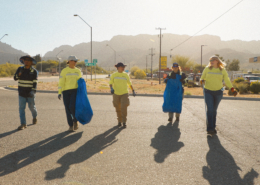 https://resolutioncopper.com/wp-content/uploads/2026/09/Hwy60-Cleanup-Employees-Volunteering-2026_-41-scaled.jpg
1440
2560
Troy Corder
https://resolutioncopper.com/wp-content/uploads/2021/09/resolution-copper-logo-white.png
Troy Corder2026-09-17 18:01:362026-09-17 18:01:38From Trails to Roadsides: Stewardship in Action
https://resolutioncopper.com/wp-content/uploads/2026/09/Hwy60-Cleanup-Employees-Volunteering-2026_-41-scaled.jpg
1440
2560
Troy Corder
https://resolutioncopper.com/wp-content/uploads/2021/09/resolution-copper-logo-white.png
Troy Corder2026-09-17 18:01:362026-09-17 18:01:38From Trails to Roadsides: Stewardship in Action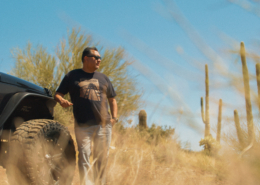 https://resolutioncopper.com/wp-content/uploads/2026/09/RC-Employee-Mike-A-Day-in-the-Life_2026-ELM-25-scaled.jpg
1440
2560
Troy Corder
https://resolutioncopper.com/wp-content/uploads/2021/09/resolution-copper-logo-white.png
Troy Corder2026-09-15 17:29:162026-09-15 17:29:17Home Again: Mike’s Story
https://resolutioncopper.com/wp-content/uploads/2026/09/RC-Employee-Mike-A-Day-in-the-Life_2026-ELM-25-scaled.jpg
1440
2560
Troy Corder
https://resolutioncopper.com/wp-content/uploads/2021/09/resolution-copper-logo-white.png
Troy Corder2026-09-15 17:29:162026-09-15 17:29:17Home Again: Mike’s Story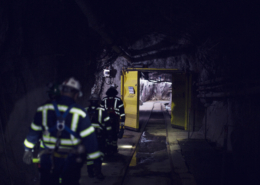 https://resolutioncopper.com/wp-content/uploads/2026/09/rio_tinto_AZ_july2022-342d-scaled.jpg
1707
2560
Troy Corder
https://resolutioncopper.com/wp-content/uploads/2021/09/resolution-copper-logo-white.png
Troy Corder2026-09-05 02:05:412026-09-05 02:05:43The Descent: What It’s Like Traveling Nearly 7,000 Ft. Underground
https://resolutioncopper.com/wp-content/uploads/2026/09/rio_tinto_AZ_july2022-342d-scaled.jpg
1707
2560
Troy Corder
https://resolutioncopper.com/wp-content/uploads/2021/09/resolution-copper-logo-white.png
Troy Corder2026-09-05 02:05:412026-09-05 02:05:43The Descent: What It’s Like Traveling Nearly 7,000 Ft. Underground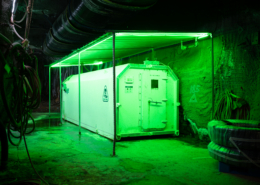 https://resolutioncopper.com/wp-content/uploads/2026/08/untitled-64-21-scaled.jpg
1703
2560
Troy Corder
https://resolutioncopper.com/wp-content/uploads/2021/09/resolution-copper-logo-white.png
Troy Corder2026-08-27 01:26:532026-08-27 01:26:54Testing What Matters Most: How One Team Helped Make Underground Refuge Chambers Even Safer
https://resolutioncopper.com/wp-content/uploads/2026/08/untitled-64-21-scaled.jpg
1703
2560
Troy Corder
https://resolutioncopper.com/wp-content/uploads/2021/09/resolution-copper-logo-white.png
Troy Corder2026-08-27 01:26:532026-08-27 01:26:54Testing What Matters Most: How One Team Helped Make Underground Refuge Chambers Even Safer