

Land Exchange
The Resolution Copper land exchange was completed on March 16, 2026. This is a key step in developing a safe, modern mining operation.
Through the Southeast Arizona Land Exchange and Conservation Act, the federal government and the public received more than 5,400 acres of high-value conservation land, including riparian habitat, wildlife corridors, and culturally significant landscapes. These lands will be permanently protected and managed for public benefit.
In return, Resolution Copper received approximately 2,400 acres adjacent to the historic Magma Copper mine to enable exploration and development of the Resolution Copper deposit.
Over more than a decade, input from a wide range of stakeholders including the Town of Superior, nearby Native American Tribes, the U.S. Forest Service, the Bureau of Land Management, Audubon, and The Nature Conservancy helped shape the land exchange process. These voices guided the selection of parcels that would provide the greatest public benefit. Take a closer look at each land parcel the public received as part of the land exchange.
Maintaining public access to Oak Flat Campground
Mining and public use have coexisted in the Oak Flat area for decades. As part of the land exchange, Resolution Copper is committed to keeping Oak Flat Campground open and accessible to the public, including local communities and Native American Tribes.
Visitors can expect the same experience they’ve always enjoyed, with no noticeable changes from the previous Tonto National Forest practices for decades to come. To ensure continued access and on-the-ground stewardship, the Oak Flat campground will be managed by 4Winds Contracting, a company owned by a San Carlos Apache Tribe member, which will oversee campground maintenance, facilities, and road access. Learn more >
For more information on the Oak Flat Campground, please visit azoakflat.com.
Resources
 https://resolutioncopper.com/wp-content/uploads/2026/10/Aug26-CPF-Geo-Team-and-Site-17-scaled.jpg
1703
2560
Troy Corder
https://resolutioncopper.com/wp-content/uploads/2021/09/resolution-copper-logo-white.png
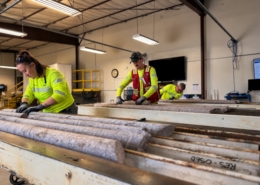
Troy Corder2026-10-21 18:50:362026-10-21 18:50:37Meet the People Behind the Core
https://resolutioncopper.com/wp-content/uploads/2026/10/Aug26-CPF-Geo-Team-and-Site-17-scaled.jpg
1703
2560
Troy Corder
https://resolutioncopper.com/wp-content/uploads/2021/09/resolution-copper-logo-white.png
Troy Corder2026-10-21 18:50:362026-10-21 18:50:37Meet the People Behind the Core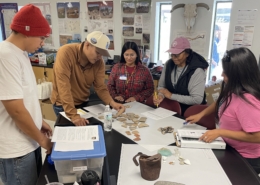 https://resolutioncopper.com/wp-content/uploads/2026/10/Oct26_TM-Training-1-1-scaled.jpg
1440
2560
Troy Corder
https://resolutioncopper.com/wp-content/uploads/2021/09/resolution-copper-logo-white.png
Troy Corder2026-10-13 20:30:542026-10-13 20:33:35Resolution in the Community: September 2026
https://resolutioncopper.com/wp-content/uploads/2026/10/Oct26_TM-Training-1-1-scaled.jpg
1440
2560
Troy Corder
https://resolutioncopper.com/wp-content/uploads/2021/09/resolution-copper-logo-white.png
Troy Corder2026-10-13 20:30:542026-10-13 20:33:35Resolution in the Community: September 2026 https://resolutioncopper.com/wp-content/uploads/2026/10/RC-EP-46L-pump-Station-Project-team_Oct26-scaled.jpg
1703
2560
Troy Corder
https://resolutioncopper.com/wp-content/uploads/2021/09/resolution-copper-logo-white.png
Troy Corder2026-10-08 20:03:272026-10-08 20:04:00Teamwork Powers 46 Level Upgrade
https://resolutioncopper.com/wp-content/uploads/2026/10/RC-EP-46L-pump-Station-Project-team_Oct26-scaled.jpg
1703
2560
Troy Corder
https://resolutioncopper.com/wp-content/uploads/2021/09/resolution-copper-logo-white.png
Troy Corder2026-10-08 20:03:272026-10-08 20:04:00Teamwork Powers 46 Level Upgrade https://resolutioncopper.com/wp-content/uploads/2026/10/Blog-Post-Image_A-Decade-of-Showing-Up.png
600
1200
Troy Corder
https://resolutioncopper.com/wp-content/uploads/2021/09/resolution-copper-logo-white.png
Troy Corder2026-10-06 04:07:352026-10-08 20:04:54A Decade of Showing Up
https://resolutioncopper.com/wp-content/uploads/2026/10/Blog-Post-Image_A-Decade-of-Showing-Up.png
600
1200
Troy Corder
https://resolutioncopper.com/wp-content/uploads/2021/09/resolution-copper-logo-white.png
Troy Corder2026-10-06 04:07:352026-10-08 20:04:54A Decade of Showing Up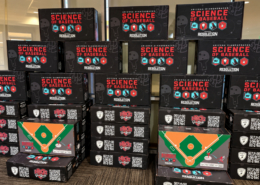 https://resolutioncopper.com/wp-content/uploads/2026/09/Dbacks-STEM-Educator-Supply-Kit-5.jpg
1650
2475
Troy Corder
https://resolutioncopper.com/wp-content/uploads/2021/09/resolution-copper-logo-white.png
Troy Corder2026-09-30 20:47:162026-09-30 20:48:09More Than a Game: How Baseball Became a Classroom
https://resolutioncopper.com/wp-content/uploads/2026/09/Dbacks-STEM-Educator-Supply-Kit-5.jpg
1650
2475
Troy Corder
https://resolutioncopper.com/wp-content/uploads/2021/09/resolution-copper-logo-white.png
Troy Corder2026-09-30 20:47:162026-09-30 20:48:09More Than a Game: How Baseball Became a Classroom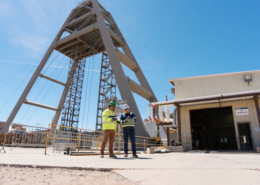 https://resolutioncopper.com/wp-content/uploads/2026/09/RC-Employee-EP-Environmental-Stephen-K_2026-ELM_-23-scaled.jpg
1440
2560
Troy Corder
https://resolutioncopper.com/wp-content/uploads/2021/09/resolution-copper-logo-white.png
Troy Corder2026-09-21 22:18:422026-09-21 22:19:19Stewardship Starts Here | Stephen’s Story
https://resolutioncopper.com/wp-content/uploads/2026/09/RC-Employee-EP-Environmental-Stephen-K_2026-ELM_-23-scaled.jpg
1440
2560
Troy Corder
https://resolutioncopper.com/wp-content/uploads/2021/09/resolution-copper-logo-white.png
Troy Corder2026-09-21 22:18:422026-09-21 22:19:19Stewardship Starts Here | Stephen’s Story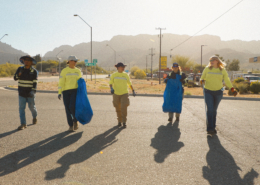 https://resolutioncopper.com/wp-content/uploads/2026/09/Hwy60-Cleanup-Employees-Volunteering-2026_-41-scaled.jpg
1440
2560
Troy Corder
https://resolutioncopper.com/wp-content/uploads/2021/09/resolution-copper-logo-white.png
Troy Corder2026-09-17 18:01:362026-09-17 18:01:38From Trails to Roadsides: Stewardship in Action
https://resolutioncopper.com/wp-content/uploads/2026/09/Hwy60-Cleanup-Employees-Volunteering-2026_-41-scaled.jpg
1440
2560
Troy Corder
https://resolutioncopper.com/wp-content/uploads/2021/09/resolution-copper-logo-white.png
Troy Corder2026-09-17 18:01:362026-09-17 18:01:38From Trails to Roadsides: Stewardship in Action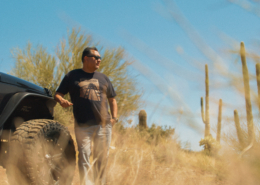 https://resolutioncopper.com/wp-content/uploads/2026/09/RC-Employee-Mike-A-Day-in-the-Life_2026-ELM-25-scaled.jpg
1440
2560
Troy Corder
https://resolutioncopper.com/wp-content/uploads/2021/09/resolution-copper-logo-white.png
Troy Corder2026-09-15 17:29:162026-09-15 17:29:17Home Again: Mike’s Story
https://resolutioncopper.com/wp-content/uploads/2026/09/RC-Employee-Mike-A-Day-in-the-Life_2026-ELM-25-scaled.jpg
1440
2560
Troy Corder
https://resolutioncopper.com/wp-content/uploads/2021/09/resolution-copper-logo-white.png
Troy Corder2026-09-15 17:29:162026-09-15 17:29:17Home Again: Mike’s Story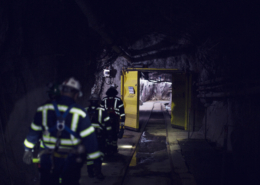 https://resolutioncopper.com/wp-content/uploads/2026/09/rio_tinto_AZ_july2022-342d-scaled.jpg
1707
2560
Troy Corder
https://resolutioncopper.com/wp-content/uploads/2021/09/resolution-copper-logo-white.png
Troy Corder2026-09-05 02:05:412026-09-05 02:05:43The Descent: What It’s Like Traveling Nearly 7,000 Ft. Underground
https://resolutioncopper.com/wp-content/uploads/2026/09/rio_tinto_AZ_july2022-342d-scaled.jpg
1707
2560
Troy Corder
https://resolutioncopper.com/wp-content/uploads/2021/09/resolution-copper-logo-white.png
Troy Corder2026-09-05 02:05:412026-09-05 02:05:43The Descent: What It’s Like Traveling Nearly 7,000 Ft. Underground