
How Environmental Stewardship is Shaping the Future of Responsible Mining
Conversations about sustainability often focus on the technologies that will help reduce emissions, accelerate renewable energy adoption, and support a lower-carbon future. Solar panels, wind turbines, battery storage systems, and electric vehicles are all critical components of the energy transition. Less visible, but equally essential, are the raw materials that make those technologies possible.
Copper is one of the foundational materials of the modern economy. It powers homes and businesses, enables transportation networks, supports telecommunications infrastructure, and plays a critical role in renewable energy systems. As global demand for copper continues to grow, society faces an important challenge: How do we responsibly develop the resources needed for the future while protecting the environment and respecting the communities where those resources are found?
At Resolution Copper, we believe the answer begins with environmental stewardship.
Environmental Stewardship Is Not an Initiative. It’s a Responsibility.
Environmental stewardship is often discussed as a program or commitment. In reality, it is a mindset that influences every stage of a project’s lifecycle.
Modern mining projects are planned, designed, operated, and ultimately closed with environmental considerations integrated into every step. Long before a mine begins production, extensive studies are conducted to understand local ecosystems, water resources, air quality conditions, cultural values, and community priorities.
The goal is not simply to comply with regulations. It is to understand potential impacts, reduce risks, incorporate scientific knowledge, and continuously improve environmental performance over time.
At Resolution Copper, environmental planning begins years before any production activity occurs and continues well beyond the operational life of the mine. This long-term approach recognizes that mining projects are measured not only by what they produce, but by the legacy they leave behind.
Learning from the Past While Building for the Future
The mining industry has evolved significantly over the past century.
Many historic mining operations were developed during periods when environmental regulations, monitoring technologies, and scientific understanding were far different than they are today. While those operations contributed significantly to economic growth and development, they also left behind environmental challenges that communities and companies continue to address.
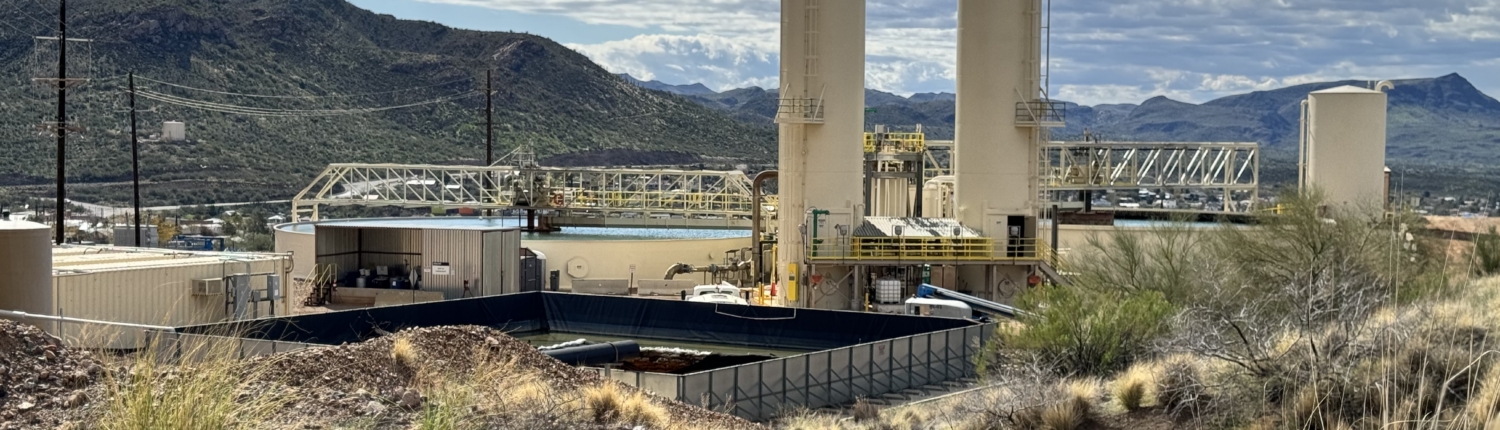
One of the most meaningful examples of Resolution Copper’s commitment to stewardship can be found in the reclamation of the historic Magma Copper West Plant site.
Over 15 years, Resolution Copper invested approximately $75 million to restore 475 acres impacted by historic mining activities. The project involved removing soil contamination, reclaiming former industrial areas, addressing legacy mining residues, and restoring land for future ecological use.
The scale of the effort was substantial. More than 60,000 work hours were dedicated to transforming the site. Today, areas that once stored mining tailings support native vegetation and wildlife, demonstrating how thoughtful reclamation can help restore environmental value while creating safer, cleaner spaces for surrounding communities.
The project serves as a reminder that stewardship is not simply about managing future impacts. It is also about taking responsibility for restoring landscapes and supporting long-term environmental health.
Planning for Closure Before Mining Begins
One of the most important shifts in modern mining is the recognition that closure planning must start from the very beginning.
Unlike many industries, mining projects have a defined lifecycle. Responsible operators understand that the decisions made during planning and development directly influence future reclamation outcomes.
State and federal regulations require comprehensive closure and reclamation planning before operations can commence. Companies must demonstrate how land will be restored, how facilities will be decommissioned, and how environmental monitoring will continue after mining ends.
Importantly, closure costs are the responsibility of the operator, not taxpayers.
At Resolution Copper, closure planning is viewed as an evolving process that incorporates advances in environmental science, reclamation technology, and stakeholder feedback. By planning early, companies can minimize long-term environmental impacts and create opportunities for future land uses that benefit local communities.
The objective is straightforward: ensure that environmental stewardship remains a priority not only during operations, but long after mining activities have concluded.
Water, Air, and Land: Protecting Critical Resources
Environmental stewardship requires attention to the resources communities depend on every day.
Protecting water quality remains a central focus of modern mine design and operation. Water monitoring, recycling systems, and long-term management plans are essential components of responsible resource development. Under the current project design, water recovered from tailings management processes would be recycled back into operations, reducing overall water demand while supporting efficient resource use.
Air quality management is equally important. Dust control measures, enclosed processing facilities, covered ore storage areas, and extensive monitoring systems help minimize impacts while ensuring compliance with environmental standards.
Land stewardship presents another important challenge. Mining changes landscapes, making reclamation and restoration critical responsibilities. Progressive reclamation practices, which restore portions of disturbed land throughout operations rather than waiting until closure, help reduce long-term impacts and support ecological recovery over time.
These efforts reflect a broader reality: environmental protection is not achieved through a single solution. It requires an integrated approach that addresses air, water, land, biodiversity, and community concerns together.
Looking Ahead
At Resolution Copper, environmental stewardship is woven into every stage of project development, from planning and design through operations, closure, and reclamation. It guides how we manage resources, engage with stakeholders, and prepare for the future. Because the future depends not only on what we produce, but on how we produce it.