
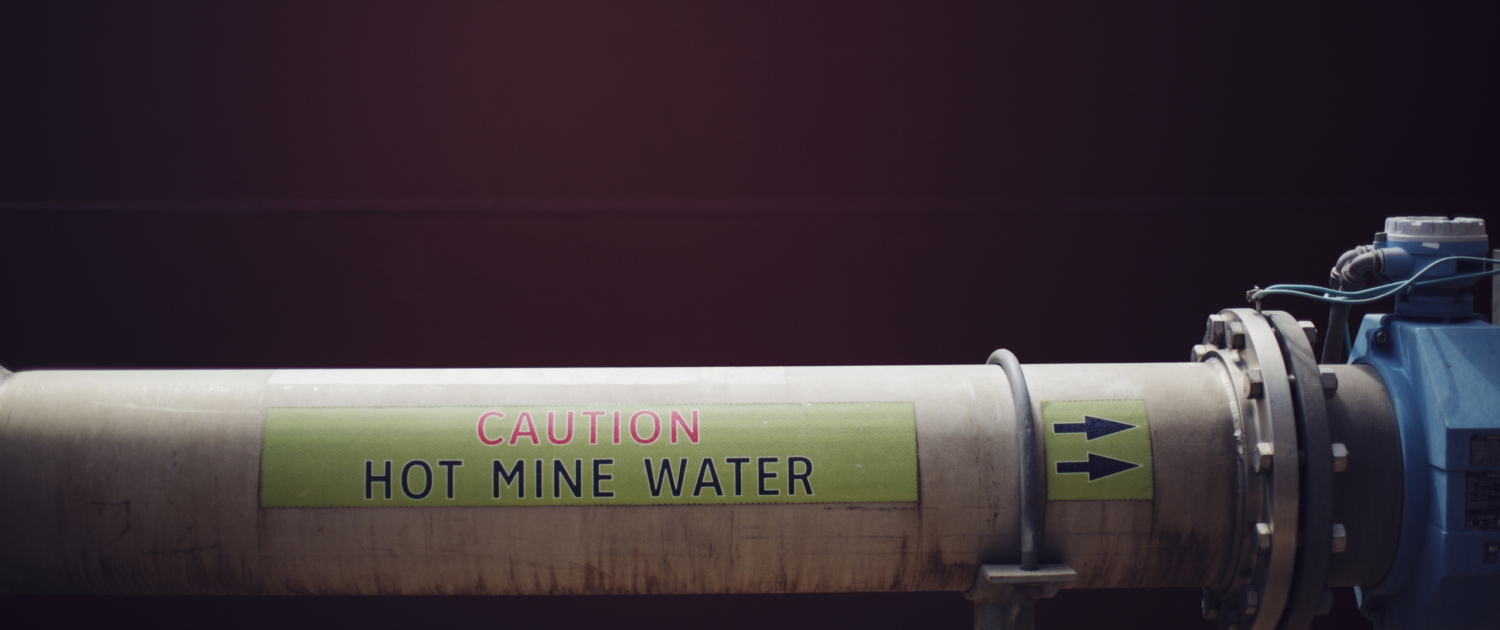
New Water Recycling System Reduces Annual Use by One Million Gallons
A new Potable Water Recycling System is now operating on site, reducing water use by an estimated one million gallons per year. The system captures clean analyzer water and returns it to the plant for reuse, replacing water that was previously discharged onto the ground. The upgrade was developed by Surface Operations, Environmental, and Maintenance teams, who identified a practical way to recirculate water used in routine monitoring processes.
“Our teams recognized a clear opportunity to reduce waste and improve how we manage water on site,” said Robbie Gage, Surface Operations Superintendent. “Their teamwork, collaboration and commitment to safe, responsible and sustainable operations set a high standard.”
Project Background
The Water Services team identified an opportunity to reuse analyzer water that was previously lost as discharge. While the analyzer process produces clean water, the previous system did not allow it to be returned to the potable supply. The team proposed a closed‑loop approach that required only minor additions to existing infrastructure.
The solution involved installing a small tank and pump to collect analyzer water and route it back into the potable water system. This improves Water Efficiency, reduces routine losses, and supports more Sustainable Water Use across the operation.
The Collaboration Behind the Upgrade
This project required coordinated work across several departments. Surface Operations, Environmental, and Maintenance contributed technical knowledge and field experience at each stage.
- Operators mapped water flow and identified tie in points.
- Environmental confirmed that the new process aligned with safe and responsible operating practices.
- Maintenance and electricians built and installed the system.
The upgrade relied on existing equipment where possible and was integrated without interrupting plant operations. The result is a system grounded in safety standards and operational reliability.
How the New System Works
Previously, potable water passed through chlorine and turbidity analyzers for monitoring and then discharged onto the ground. Despite being clean, it was not recovered.
The new system redirects this analyzer water into a small holding tank. A pump then delivers the water back into the potable line, allowing it to be used again inside the plant. This closed loop design reduces demand on external supply and lowers routine water loss. It is a simple system with measurable daily impact.
Why the Water Upgrade Matters
The system supports several long term goals: saving one million gallons of clean water each year, reducing demand on groundwater and municipal systems, lowering operational waste, and creating a stronger base for future improvements. Together, these outcomes help the site use water more responsibly and support long term regional sustainability.
The People Behind the Progress
The project demonstrates how teams can identify operational improvements and turn them into practical solutions. Operators, electricians, and maintenance crews shaped the design, installation, and integration of a system that reduces waste and strengthens reliability.
Looking Ahead
The launch of this system shows how focused operational changes can produce measurable results. As the site continues to refine its processes, efficient Water management will guide future improvements and support responsible resource stewardship.