
Environmental Stewardship
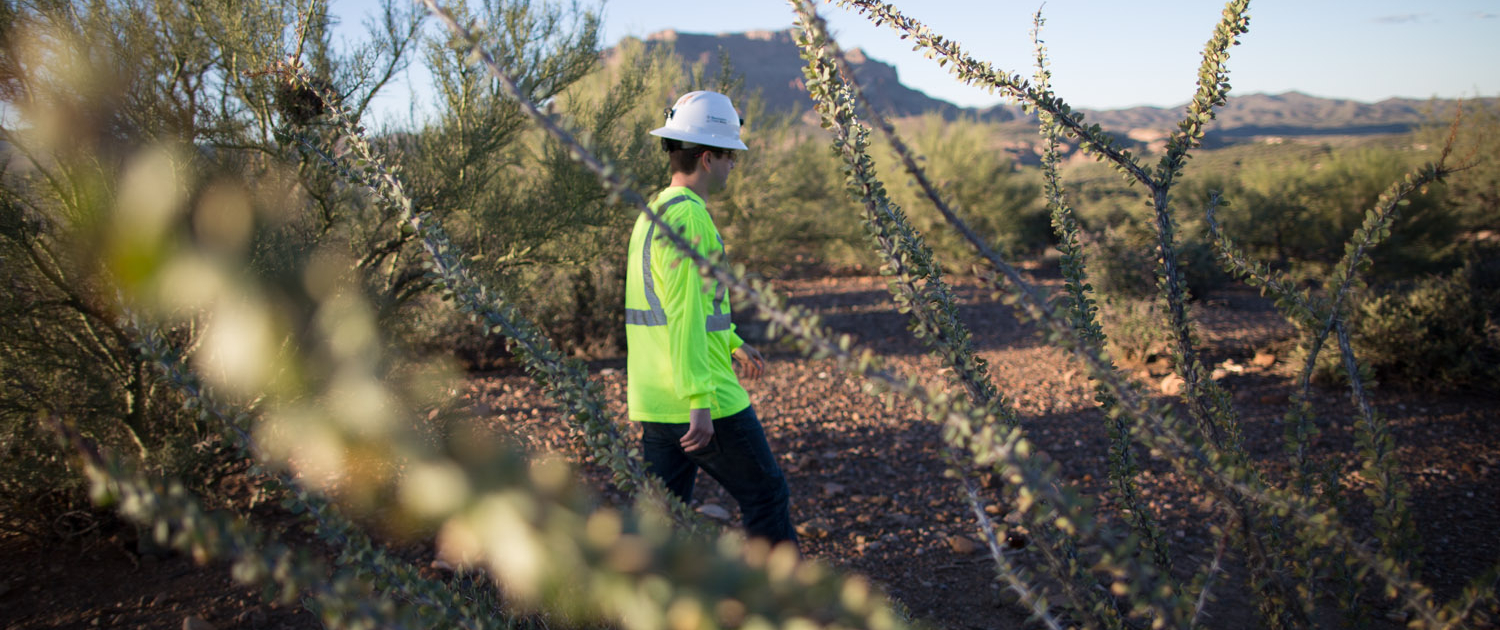
Caring for the environment is part of how we plan, operate, and close the mine.
Environmental management starts before mining begins and continues through operations and post-closure. As regulations and accepted science evolve, our methods evolve as well. We focus on understanding potential impacts and reducing them wherever possible. We also work with local communities to improve our performance over time.
Air
Mining can generate dust and contribute to greenhouse gas emissions. To protect community air quality, we plan to:
- Crush rock underground and inside enclosed buildings
- Store ore stockpiles in covered facilities
- Use water sprays on roads
- Install dust-suppressing hoods and enclosures across the operation
We will monitor air quality across an extensive network. Data will be compared against U.S. Environmental Protection Agency clean air standards and shared openly with the community.
Land Stewardship
Mining changes the landscape. We take responsibility for protecting surrounding land during operations and after mining ends. Current land stewardship efforts include:
- $75 million restoration and reclamation of the historic Magma Mine site
- Arizona hedgehog cactus preservation
- Monarch butterfly habitat conservation
- A conservation program to restore and protect Emory oak groves
We work with community partners to restore land progressively throughout the life of the mine.
Reclamation and Mine Closure
Reclamation planning begins early. Final site reclamation will occur at the end of the 40-year mine life and will take several years to complete.
State and federal law require an approved closure and reclamation plan before mining can begin. These plans adapt over time as new technologies and best practices emerge.
Resolution Copper, not taxpayers, is responsible for all closure costs and post-closure monitoring. Reclamation activities may include:
- Closing and sealing mine shafts
- Decommissioning facilities
- Removing unneeded structures
- Re-contouring and reseeding disturbed land
- Long-term water quality and vegetation monitoring
Future land use decisions will be made with local communities and regulators. Some structures may remain to preserve historic mining heritage or support possible reuse.
Subsidence
Block cave mining will result in a slow, progressive sinking of the ground above the deposit called subsidence. Based on our studies, we believe that after 40 years of mining, the subsidence zone would be between 700 and 1000 feet deep. We will monitor and manage subsidence during and after our mining operations to minimize the potential impact of our work and preserve natural features such as Apache Leap.
Tailings Management
During mining, copper ore is separated from non-economic rock. The remaining material, called tailings, contains fine rock particles, water, and small amounts of process chemicals. Tailings will be transported by pipeline to a designated storage facility engineered for long-term stability. The facility design accounts for earthquakes and extreme weather events. Before construction, we must submit:
- A closure and reclamation plan
- Financial assurance to cover long-term care
Independent third-party experts will regularly review the facility. Monitoring systems will track groundwater, surface water, air quality, and structural stability. Water from the facility will be recovered and reused in operations.
Reclamation of the tailings facility will take place during operations and after closure. The site will be replanted with vegetation native to the Sonoran Desert.
Resources
 https://resolutioncopper.com/wp-content/uploads/2026/08/untitled-64-21-scaled.jpg
1703
2560
Troy Corder
https://resolutioncopper.com/wp-content/uploads/2021/09/resolution-copper-logo-white.png
Troy Corder2026-08-27 01:26:532026-08-27 01:26:54Testing What Matters Most: How One Team Helped Make Underground Refuge Chambers Even Safer
https://resolutioncopper.com/wp-content/uploads/2026/08/untitled-64-21-scaled.jpg
1703
2560
Troy Corder
https://resolutioncopper.com/wp-content/uploads/2021/09/resolution-copper-logo-white.png
Troy Corder2026-08-27 01:26:532026-08-27 01:26:54Testing What Matters Most: How One Team Helped Make Underground Refuge Chambers Even Safer https://resolutioncopper.com/wp-content/uploads/2026/08/RC_WTP-Ops_David-C_2026-ELM-4-scaled.jpg
1440
2560
Troy Corder
https://resolutioncopper.com/wp-content/uploads/2021/09/resolution-copper-logo-white.png
Troy Corder2026-08-17 23:33:282026-08-17 23:33:298 Billion Gallons Recycled: Our Commitment to Responsible Water Management
https://resolutioncopper.com/wp-content/uploads/2026/08/RC_WTP-Ops_David-C_2026-ELM-4-scaled.jpg
1440
2560
Troy Corder
https://resolutioncopper.com/wp-content/uploads/2021/09/resolution-copper-logo-white.png
Troy Corder2026-08-17 23:33:282026-08-17 23:33:298 Billion Gallons Recycled: Our Commitment to Responsible Water Management https://resolutioncopper.com/wp-content/uploads/2026/08/untitled-88-scaled.jpg
1703
2560
Troy Corder
https://resolutioncopper.com/wp-content/uploads/2021/09/resolution-copper-logo-white.png
Troy Corder2026-08-07 11:00:002026-08-06 22:14:21Resolution Copper awards $110 million in US contracts to advance underground mine
https://resolutioncopper.com/wp-content/uploads/2026/08/untitled-88-scaled.jpg
1703
2560
Troy Corder
https://resolutioncopper.com/wp-content/uploads/2021/09/resolution-copper-logo-white.png
Troy Corder2026-08-07 11:00:002026-08-06 22:14:21Resolution Copper awards $110 million in US contracts to advance underground mine https://resolutioncopper.com/wp-content/uploads/2026/08/RC-Employee-WTP-David-C_2026-ELM_-20-scaled.jpg
1440
2560
Troy Corder
https://resolutioncopper.com/wp-content/uploads/2021/09/resolution-copper-logo-white.png
Troy Corder2026-08-06 00:04:222026-08-06 00:06:32Every gallon has a job: David’s work in water services
https://resolutioncopper.com/wp-content/uploads/2026/08/RC-Employee-WTP-David-C_2026-ELM_-20-scaled.jpg
1440
2560
Troy Corder
https://resolutioncopper.com/wp-content/uploads/2021/09/resolution-copper-logo-white.png
Troy Corder2026-08-06 00:04:222026-08-06 00:06:32Every gallon has a job: David’s work in water services https://resolutioncopper.com/wp-content/uploads/2026/07/rio_tinto_AZ_july2022-69d-2-scaled-e1785299266574.jpg
1024
2560
admin1
https://resolutioncopper.com/wp-content/uploads/2021/09/resolution-copper-logo-white.png
admin12026-07-29 19:00:002026-07-29 04:31:28Resolution Copper Establishes $54 Million Tribal Trust
https://resolutioncopper.com/wp-content/uploads/2026/07/rio_tinto_AZ_july2022-69d-2-scaled-e1785299266574.jpg
1024
2560
admin1
https://resolutioncopper.com/wp-content/uploads/2021/09/resolution-copper-logo-white.png
admin12026-07-29 19:00:002026-07-29 04:31:28Resolution Copper Establishes $54 Million Tribal Trust https://resolutioncopper.com/wp-content/uploads/2026/07/Q2-Scorecard_Blog-Post-Image.png
600
1200
admin1
https://resolutioncopper.com/wp-content/uploads/2021/09/resolution-copper-logo-white.png
admin12026-07-29 00:34:372026-07-29 00:34:39Q2 2026 Scorecard: Looking at the Numbers Behind Our Work
https://resolutioncopper.com/wp-content/uploads/2026/07/Q2-Scorecard_Blog-Post-Image.png
600
1200
admin1
https://resolutioncopper.com/wp-content/uploads/2021/09/resolution-copper-logo-white.png
admin12026-07-29 00:34:372026-07-29 00:34:39Q2 2026 Scorecard: Looking at the Numbers Behind Our Work https://resolutioncopper.com/wp-content/uploads/2026/07/RC-Oak-Flat-Campground-Stewardship-Update_July2026-3.png
1024
1536
Troy Corder
https://resolutioncopper.com/wp-content/uploads/2021/09/resolution-copper-logo-white.png
Troy Corder2026-07-23 16:39:462026-07-23 16:39:47Stewardship You Can See at Oak Flat Campground
https://resolutioncopper.com/wp-content/uploads/2026/07/RC-Oak-Flat-Campground-Stewardship-Update_July2026-3.png
1024
1536
Troy Corder
https://resolutioncopper.com/wp-content/uploads/2021/09/resolution-copper-logo-white.png
Troy Corder2026-07-23 16:39:462026-07-23 16:39:47Stewardship You Can See at Oak Flat Campground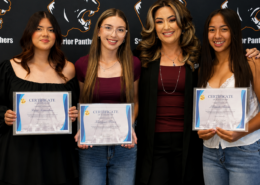 https://resolutioncopper.com/wp-content/uploads/2026/07/RC-Scholarships-Awarded-2026_Superior-High-School-2_1200x1200.png
1254
1254
Troy Corder
https://resolutioncopper.com/wp-content/uploads/2021/09/resolution-copper-logo-white.png
Troy Corder2026-07-17 04:19:222026-07-17 04:24:34Resolution Copper Awards $51,000 in Scholarships to 20 Local Students
https://resolutioncopper.com/wp-content/uploads/2026/07/RC-Scholarships-Awarded-2026_Superior-High-School-2_1200x1200.png
1254
1254
Troy Corder
https://resolutioncopper.com/wp-content/uploads/2021/09/resolution-copper-logo-white.png
Troy Corder2026-07-17 04:19:222026-07-17 04:24:34Resolution Copper Awards $51,000 in Scholarships to 20 Local Students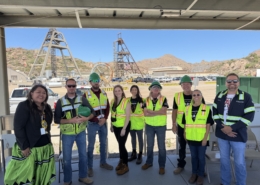 https://resolutioncopper.com/wp-content/uploads/2026/07/Tour-with-Apache-Junction-Residents-and-LD7-Candidate-scaled.jpg
1920
2560
Troy Corder
https://resolutioncopper.com/wp-content/uploads/2021/09/resolution-copper-logo-white.png
Troy Corder2026-07-14 15:40:292026-07-14 15:40:32Resolution Copper in the Community | June 2026 Recap
https://resolutioncopper.com/wp-content/uploads/2026/07/Tour-with-Apache-Junction-Residents-and-LD7-Candidate-scaled.jpg
1920
2560
Troy Corder
https://resolutioncopper.com/wp-content/uploads/2021/09/resolution-copper-logo-white.png
Troy Corder2026-07-14 15:40:292026-07-14 15:40:32Resolution Copper in the Community | June 2026 Recap